
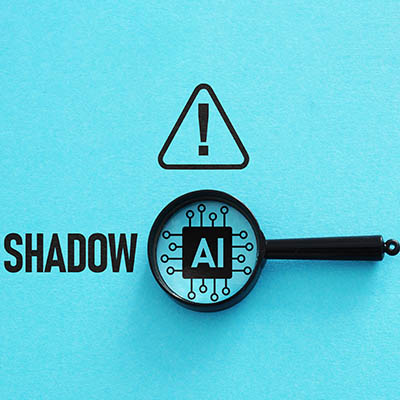
When your team is trying to get things done, they will usually take the path of least resistance. Sometimes, that means bringing outside tools into your daily workflow without asking permission first.
The internet is currently experiencing a massive deluge of AI-generated content. Companies everywhere are using automated tools to produce articles, social media posts, and guides at a rapid pace, publishing them without a single second of human editing.

Many business owners try to use AI image generators to create header graphics for newsletters or images for their websites, only to end up with blurry, unnatural results. The issue usually is not the software. The issue is that generic prompts yield generic outputs because these systems require explicit, granular instructions to produce high-quality results. If you want to stop generating generic graphics and start producing clean, professional visuals, you need to provide the system with specific parameters. Here are 5 practical tips to get these tools to output exactly what you need.
With the efficiency that AI has unlocked for businesses, there’s been a trend amongst business leadership to implement it at every opportunity. This is a mistake, as it tends to accelerate low-value processes and procedures and give them the appearance of legitimate operational progress. Empowering a wasteful process doesn’t help make it more worthwhile. It multiplies the waste it generates and hides its inefficiencies. Let’s talk about these detriments, starting with how to cut through the noise.
Artificial Intelligence is often framed as a productivity solution, but it has introduced a significant security risk known as shadow IT—specifically, shadow AI. This occurs when employees use unauthorized, public AI tools to summarize meeting notes, write code, or analyze spreadsheets without oversight from the IT department. While the intent is usually to improve efficiency, employees often unknowingly upload proprietary company information to public databases.
We have all seen the headlines about what AI can do. It can write emails, analyze spreadsheets, and generate images in seconds. We rarely talk about the physical requirements for that to happen. When you ask a chatbot a question, you are triggering a massive chain reaction of resource consumption.
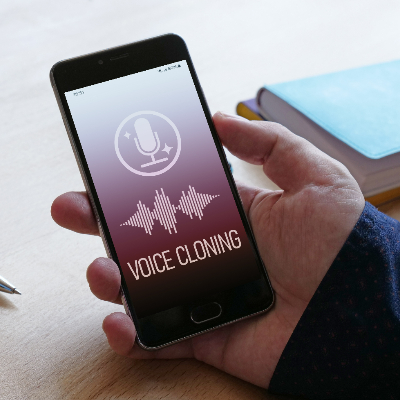
For a long time, one of the best practices for phishing prevention has been to pick up the phone and call up the person apparently sending a message. Unfortunately, in some cases, phone calls are now being exploited. Now, AI enables scammers to mimic the voices of the people they impersonate through voice cloning. As a result, it is more important than ever to verify who you are talking to before sharing any sensitive information.
It feels good to be right. It feels even better to have an assistant that never argues, never pushes back, and seems to be on your exact wavelength 24/7. We have a name for a system that never disagrees with you: a broken one. The reality is that AI lacks a moral compass or a personal creed. It doesn’t have a “gut feeling” telling it when you’re about to make a massive business mistake. It operates purely on a map of mathematical probabilities, designed to reflect your own intent back to you with perfect clarity.
Imagine one of your employees receives a phone call from someone who sounds just like you. Would they be able to distinguish this deepfake from the genuine article? If you cannot answer this question with an emphatic “yes,” you have some work to do in preparing your team for modern cybersecurity standards.

I’m about to say something that is going to sound weird at first, but stay with me here: I miss the Nigerian Prince scam. I know, I know, it’s crazy, but let me tell you why: threats were a lot easier to spot.