
An email arrives from your CEO requesting an urgent, off-schedule wire transfer to secure a vendor deal. Standard operational caution gives way to speed, and cash is redirected to an unauthorized account. This is the result of a form of cyberattack known as business email compromise. Let’s discuss how to stop it.

When cybercriminals try to break into a business, they rarely bother picking digital locks. Instead, they send a convincing email straight to someone on your staff. Treating your team like a security liability creates fear and keeps people from reporting suspicious activity.
Phishing attacks are no longer easy to spot. Scammers now use artificial intelligence to generate highly sophisticated lures that trick even the most observant employees. To protect a business from becoming another security statistic, it is necessary to identify the clear differences between legitimate communications and fraudulent messages. While these risks exist every day of the year, fraudulent activity spikes dramatically during tax season and the holiday season.

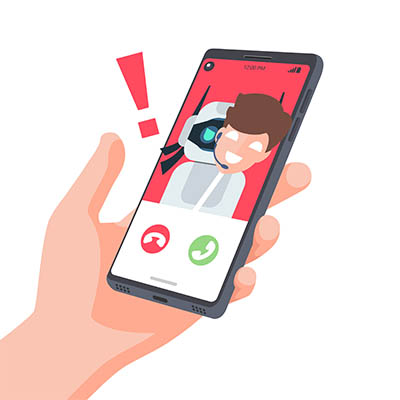
For a long time, one of the best practices for phishing prevention has been to pick up the phone and call up the person apparently sending a message. Unfortunately, in some cases, phone calls are now being exploited. Now, AI enables scammers to mimic the voices of the people they impersonate through voice cloning. As a result, it is more important than ever to verify who you are talking to before sharing any sensitive information.
I’m about to say something that is going to sound weird at first, but stay with me here: I miss the Nigerian Prince scam. I know, I know, it’s crazy, but let me tell you why: threats were a lot easier to spot.

The majority of modern cyberattacks begin with some form of user manipulation, usually through phishing messages that trick recipients into acting against their own security. While these can be shared in any form, the most well-known is certainly email. Let’s review a few warning signs that can help indicate that an email message is, in fact, a phishing scheme.

Some of the hardest cybersecurity lessons are only learned after the fact. Whether it’s a data breach caused by poor security practices or simple human error, the end result is the same: a loss of time, money, and reputation. You can learn these simple security lessons now and save yourself a lot of hurt along the way.

Do you know which of your employees is your weakest security link? It doesn’t take much to break into an employee’s email, and from there, the rest of your infrastructure. All a scammer has to do is convince the right employee to click on a link, download an infected attachment, or hand over their password. Can you honestly say that your team has the knowledge to combat such a profound threat?

Navigating the aftermath of a data breach can be a confusing and stressful experience. Whether it’s a major company or a small business, a data breach means your personal information might be compromised. So, what should you do? Here’s a guide on how to react and what your options are.
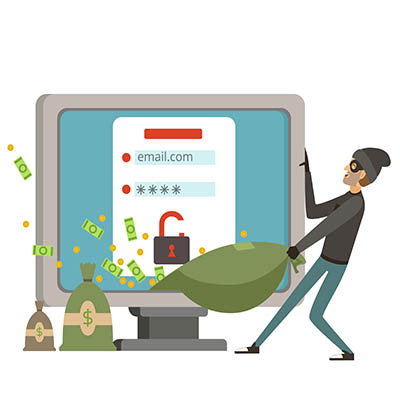
Cybercrime has gotten a lot scarier as the methods have become more sophisticated and difficult to detect. They might look like official business, but in reality, they are dangerous and well-thought-out attacks that can endanger your company and all those who work for it. Today, we want to break down some of the ways these cyberthreats can fool even the most cautious employees.