
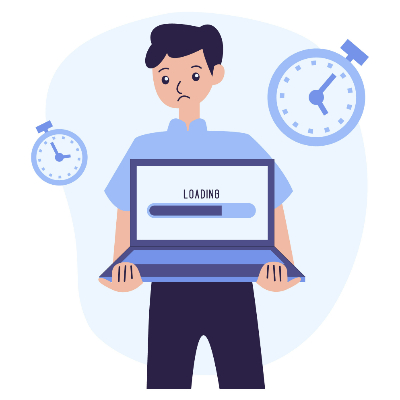
It is a common frustration when a workstation that once felt fast begins to lag. As you perform your daily tasks, the operating system collects digital baggage that interferes with performance. You do not always need to spend money on new hardware to solve this. Often, the goal is simply to use the technology you already have in a more effective way. When a computer slows down, it is usually because the system resources are being stretched too thin by background processes and unnecessary files.

Want to hear a secret? Despite all the buzzwords and jargon, cybersecurity has a pretty simple foundation… one that many professionals refer to as the CIA Triad (unrelated to the intelligence agency). Its three pillars—Confidentiality, Integrity, and Availability—serve as the three critical sides of the cybersecurity triangle. If any fail, the whole of your systems are at risk. Let’s go over what makes up each side.
Updates and upgrades are expensive, but that doesn’t mean your business can afford to skip them. More often than not, ignoring an update or upgrade to your technology is going to result in eventual bugs, hardware issues, and security vulnerabilities that can only be addressed with an update or an upgrade. First of all, what’s the difference between the two, and how do you know which one is necessary in a given situation?
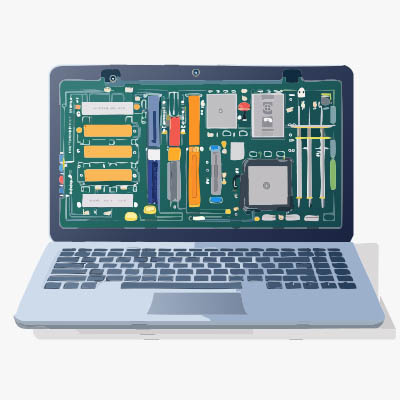
There are a lot of issues that can impact the operations of your business, many of which are rooted in the hardware components of your computers. One of the most common issues with devices that are on their way out is issues with RAM. What is RAM, and how do you know if it’s time for a replacement?
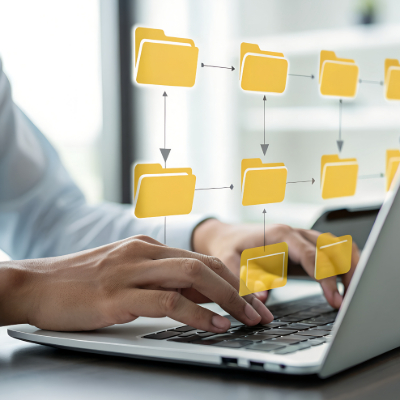
So, you’re used to Apple technology but now you’ve got a Windows computer for work. We get it. Since most companies use Windows, we’ve been dropping some guides to help you get the hang of it. This time, we’re diving into the File Explorer; basically, how you find anything on your PC. If you want to get up to speed on other Windows features, check out our other posts under the Learning Windows tag.

As is the case with most things, the past few years have seen significant changes in entertainment, thanks to the development of technology. We have literally gone from using extremely sensitive and delicate film to capture footage, manually trimming it on flatbed editors in dark rooms, to capturing, storing, editing, and displaying it digitally. Let’s explore how the nature of entertainment has shifted as technology has developed over time.

Without much fanfare, the AI Wars have commenced. This isn’t just a metaphor; it’s a true battle for the future of tools aimed at enhancing human productivity. This war for market share will shape the next age of modern computing.

Transferring data between computers and devices is now a routine activity. Let’s review the steps to ensure your data remains intact and your memory card stays in good condition before ejecting it from a computer.

Sometimes, in business, you will hear about the opportunity cost of a decision. You may not be familiar with this concept that involves the investments you make in your organization’s technology. In today’s article, we will discuss the opportunity cost of technology and why that cost may not be one you should be unwilling to take on.

It might not be as obvious as with a desktop computer, with their visible fans and external components, but laptops also must be kept clean and tidy, free of dust and debris. There is a bit of a different process to keeping a laptop clean compared to a traditional desktop, though, so today, we want to highlight these differences and walk you through how it’s done.