
We talk a lot about phishing on this blog, and for good reason. It makes up a significant portion of today’s cyberthreats, irrespective of size or industry. Today, we want to highlight how your business can protect itself from phishing attacks and keep their impacts to a minimum. We’ll dive into some details about phishing schemes and the solutions you can implement to keep your business safe.
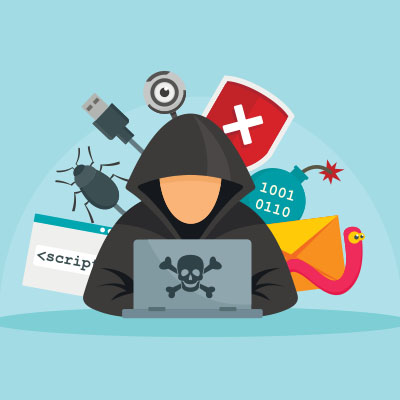
It seems like with every day that passes, there is a new sinister cyberthreat to worry about, and it’s crucial that businesses learn as much as possible about how to keep themselves safe as they can. There is simply too much at stake not to. That said, there are broad categories that most threats will fall under. Today, we’re going to explore them.

In this blog, we continuously try to caution individuals against clicking on suspicious links, but distinguishing between a genuine URL and a questionable one has become increasingly challenging. Malicious tactics have evolved, making it imperative for everyone to remain vigilant. These threats are pervasive, coming from various directions. This discussion will focus on a single punctuation mark that can help determine whether a link is genuinely safe or potentially perilous.

Scams are a scary prospect, and with today’s technology and current events being what they are, it’s all the more important that you remain aware of them so you can avoid them. With a whole year ahead of us, let’s consider some scams and scam-based trends that will likely continue throughout.

I recently engaged in a discussion with some of my colleagues about the intersection of cybersecurity and the scams that so many of us deal with every day, like those annoying phone scams. We wound up concluding that it’s valuable to examine these phenomena together. So, let’s do that.
Email is complex, despite all appearances. It’s easy to overlook its complexities when you log into your account and it just works. However, you’ll need to ensure that your email is managed properly, as well as secured with protective measures for the underlying technology. Let’s go over some of the more effective methods you can use to keep your infrastructure secure from all types of threats, whether they are visible or hidden.

It’s borderline impossible to conduct any business online without seeing potential threats abound. It also doesn’t help that threats tend to disguise themselves to avoid being detected. Today, we want to share a social media threat that one of our employees discovered while going about their day, and we think even a cautious user could have been fooled by it.

Viruses and malware are bad. Ransomware is crippling. Data breaches in some cases can more or less shut down a business. We talk about these threats all the time, but for most people, they are just scary-sounding buzzwords. Today, we want to talk about the more personalized threats that are much more cunning, and in some ways, much more dangerous.

As time goes on, businesses are doing more and more to protect their digital assets from theft and corruption. Whether that is deploying tools, providing training, or getting the support you need to successfully secure your business from the myriad of threats coming your way, you need to be deliberate about the way you go about deploying your security resources. Today, we want to touch on security training and the role it plays in your cybersecurity.

Phishing attacks are one of the most common security threats to your business, not only because they are effective, but because they can be utilized in many different ways. You can become the victim of a phishing attack through email, instant message, phone, or even your voicemail. These “phoicemail” attacks are quite crafty in their approach, and you should be wary of them.