

Microsoft’s latest Security Intelligence Report cites phishing attacks as the most prevalent cyberthreat. With the COVID-19 outbreak pushing large numbers of workers to their own homes, it is almost assuredly still the case. As a result, it is extremely important that you and your staff understand how to spot potential phishing attacks and what to do when confronted with an attack. Today, we will provide you some tips on how to identify and remediate such attacks.

For many businesses, email plays a crucial role in the dessemination of information. Whether it is simply interacting with clients or pushing directions to individuals, email is a simple and efficient way to communicate. One problem that organizations are running into is that individuals are being inundated with social engineering messages called phishing. This strategy is causing major operational problems for businesses, from malware to data breaches to extended downtime. For this week’s tip, we identify what exactly phishing is and how it is used to the detriment of many businesses and other organizations.

When someone starts talking about social engineering, people often get confused. They think we’re talking about cloning. While having two of something you love may not be terrible, the social engineering we routinely cite is much, much worse. Social engineering is the act of using social interactions to get people to make cybersecurity mistakes. Today, we’ll take a look at social engineering and how it can have a negative effect on your business.
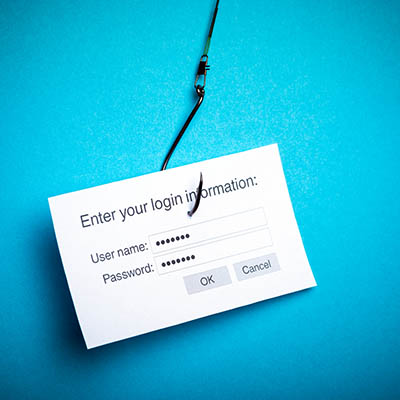
Social engineering is a very important component of many modern cyberattacks, as the popularity of phishing scams goes to show. Protecting yourself from phishing scams will require you to be able to identify them. For today’s tip, we’ll go over a few warning signs that someone may be trying to phish you through your email.
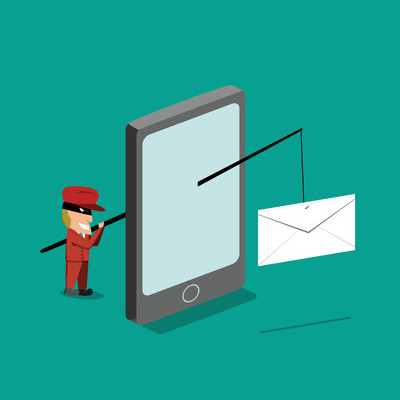
We’ve all caught the obvious spam email, like the message that is clearly bogus, or the offer that is definitely too good to be true. We’re going to confidently assume none of our readers are getting tricked by Nigerian Princes or getting roped into order virility drugs from an unsolicited email. The real threat comes from the more clever phishing attacks. Let’s take a look.

Chances are, you’ve heard of “phishing” – a cybercriminal’s scam that steals data, access credentials, and other sensitive information by fooling a user into thinking they are providing this information to someone who is supposed to have access to it. However, there are a few different kinds of phishing, based on how it is carried out. Here, we’ll discuss the realities of spear phishing, and the risks it poses to your business.
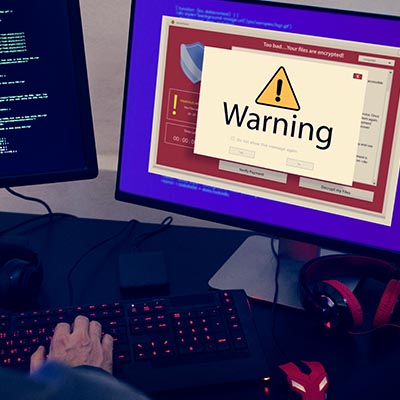
There’s a big reason why phishing is a primary threat to businesses, and it’s because this method gives hackers a relatively risk-free way of gaining access to a network or other resources. Even being aware of the issue is often not enough to prevent it, as hackers are known to get quite aggressive and crafty with their phishing campaigns. If only a fraction of the 57 billion phishing emails that go out every year are taken seriously, hackers make quite a bit of profit off of users.